
Renewable Energy & Real Estate: How to Build Carbon-Positive Commercial Spaces
It’s been estimated that approximately one-sixth to a quarter of India’s GHG emissions can be attributed to India’s buildings and construction industry. Much of the stock of floorspace that India requires in 2050 is still under construction or planned.
This state of affairs makes sustainable development in commercial real estate an important business challenge rather than a CSR commitment. Developers and occupiers face an important choice: Should future campuses be set on locking in emissions or catalyse low-carbon growth?
For large campuses, this energy transition offers a clear opportunity to support green building portfolios with renewable energy mechanisms across office spaces, enhancing resilience and reducing long-term operating expenses.
The growing airport and Aerospace Park corridor in Bangalore represents the pivot point with regard to these trends. Grade A office real estate in Bangalore progresses from “efficient” to “carbon positive,” integrating on-campus renewable energy and green infrastructure.
Why Sustainable Development in Commercial Real Estate Cannot Wait
In India, sustainable development in the field of architecture directly influences the national level of emissions. The real estate and construction sectors together can account for 25-32% of India’s GHG emissions.
There is an increasing demand for certified “green” assets, too. The green building market for India could touch approximately USD 85 billion in FY32, with more than 10% growth every year.
On the other hand, occupiers find themselves under three interacting forces:
- Energy expenses: Higher electricity charges and cooling demand with more frequent heatwaves.
- ESG factors and disclosures: Today, investors and boards monitor Scope 1 to 3 emissions, including leased areas.
- Talent Expectations: Teams desire healthy, climate-conscious workplaces with authentic climate action.
In this case, sustainable development has emerged as a primary focus for planning commercial office spaces in Bangalore North, Outer Ring Road areas, and new airport corridors.
Developers incorporating sustainable development principles can future-proof their property assets. It’s these developers that the IT/ITES office space for lease in Bangalore relies on when they need genuine ESG deliverables rather than simply upgraded interiors.
What are Green Building, Net Zero, and Carbon-Positive Spaces?
The term green building usually describes projects that cut energy and water use and improve indoor comfort. Rating systems like IGBC, LEED, and others now cover over 18,000 projects in India with about 14.8 billion sq. ft of green footprint.
Net-zero buildings go further. They match annual energy consumption with on-site or contracted renewable energy, often achieving 30% lower operating costs.
Carbon-positive spaces move one more step. They generate or enable more clean energy and abatement than the building consumes, across electricity, heating, and sometimes embodied carbon.
In practice, a carbon-positive commercial campus in Bengaluru will:
- Use green building envelopes and high-efficiency systems to cut base demand.
- Integrate renewable energy in offices through rooftop solar, solar carports, or off-site PPAs.
- Add storage, smart controls, and demand response to flatten peaks.
- Support low-carbon transport through EV charging and transit connectivity.
When you combine these measures within a sustainable development framework, the campus becomes an active climate solution. This approach works well for tech park office space for rent in Bangalore, where tenants operate energy-intensive digital workloads.
How Renewable Energy in Offices Impacts the Numbers
The case for using renewable energy at places of business has never been more compelling. Already, renewables account for roughly 21% of India’s power generation and comprise 44% of total installed capacity; 21 GW were added to this number in 2023 alone.
For the green building campus, this trend offers three advantages:
Lower operating costs
Net-zero and efficient buildings can reduce energy consumption by 30-50% and lower water demand by approximately 30%. Within a 10-15-year leasing period, this can potentially amount to considerable savings for occupants.
Lower risk and improved resilience
On-site solar and battery systems minimise reliance on grid pricing fluctuations and disruptions. These factors can impact IT/ITES office space for lease in Bangalore because uptime drives revenue.
Higher asset value and demand
Studies show growing demand for green-certified buildings among global real estate investors and occupants. Carbon-alignment assets tend to generate higher occupancy and rent differentials than traditional assets.
Developers providing Grade A office spaces in Bangalore can now differentiate themselves using renewable energy. It not only promotes sustainable development but also satisfies tech-savvy large-space lessees when it comes to extended leases.
Designing Green Building Infrastructure
Only solar panels cannot deliver carbon-positive outcomes on their own. There has to be a green building design that reduces demand and then builds for clean supply.
The main design levers are:
High-performance envelope
Use optimal glazing techniques, insulation, shading devices, and air tightness to minimise cooling demand. The step fits well into sustainable development because it reduces life-cycle emissions and running costs.
Effective HVAC and lighting systems
Use high-efficiency chillers, variable-speed drives, and LED lighting with controls. Incorporate sensors that correlate cooling and lighting with occupancy and daylight.
On-Site Renewables and Storage
Include roof-based systems, podium-based systems, and solar carports. Couple these with battery storage meant for critical loads and peak shift applications.
Smart building management systems
Apply digital twins, IoT sensors, and analytics to achieve real-time optimal energy consumption. The smart systems provide transparency of green building performance to building owners and occupants.
Materials with low-carbon properties
Use low-clinker cement, recycled steel, and prefabricated components to lower carbon emissions.
By integrating these levers, a campus can achieve carbon-positive results.
How to Build and Occupy Carbon-Positive Green Buildings
Both developers and occupiers must act together. A clear roadmap turns sustainable development goals into measurable outcomes.
For developers
- Set science-aligned targets early
Define energy, water, and carbon performance targets during concept design. Align them with IGBC or LEED green building standards at a minimum.
- Prioritise efficiency, then renewables
Reduce demand through envelopes, systems, and controls. Then size rooftop solar and storage for realistic carbon-positive performance.
- Enable flexible and managed office models
Integrate managed office solutions in Bangalore and plug-and-play zones. This flexibility lets occupiers scale without wasteful retrofits.
- Design for data and transparency
Provide real-time dashboards for energy, water, and indoor environment quality. This supports tenant ESG reporting and ongoing optimisation.
For occupiers
- Bake sustainability into leasing decisions
Evaluate green building credentials, renewable energy share, and performance guarantees. Compare tech park office spaces for rent in Bangalore on total cost, not base rent alone.
- Optimise internal fit-outs
Use efficient layouts, sensors, and equipment standards. Flexible office space in aerospace SEZ Bangalore can still deliver strong energy performance.
- Engage employees
Run awareness programs on energy, waste, and commuting. Link sustainable development actions to company values and rewards.
Why North Bangalore Is Ideal For Next-Gen Sustainable Campuses
North Bangalore’s Aerospace Park SEZ has turned out to be an important location for airlines, defence companies, and IT enterprises. The need for superior office space with robust infrastructure and proximity to airports drives occupiers at this site.
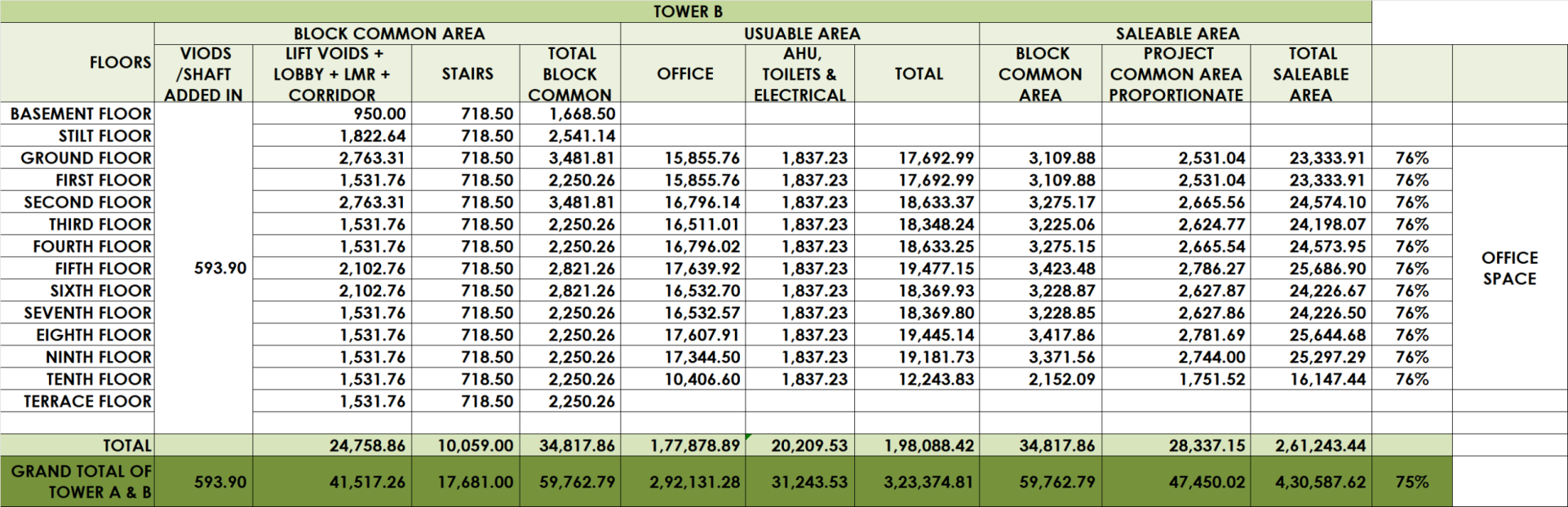
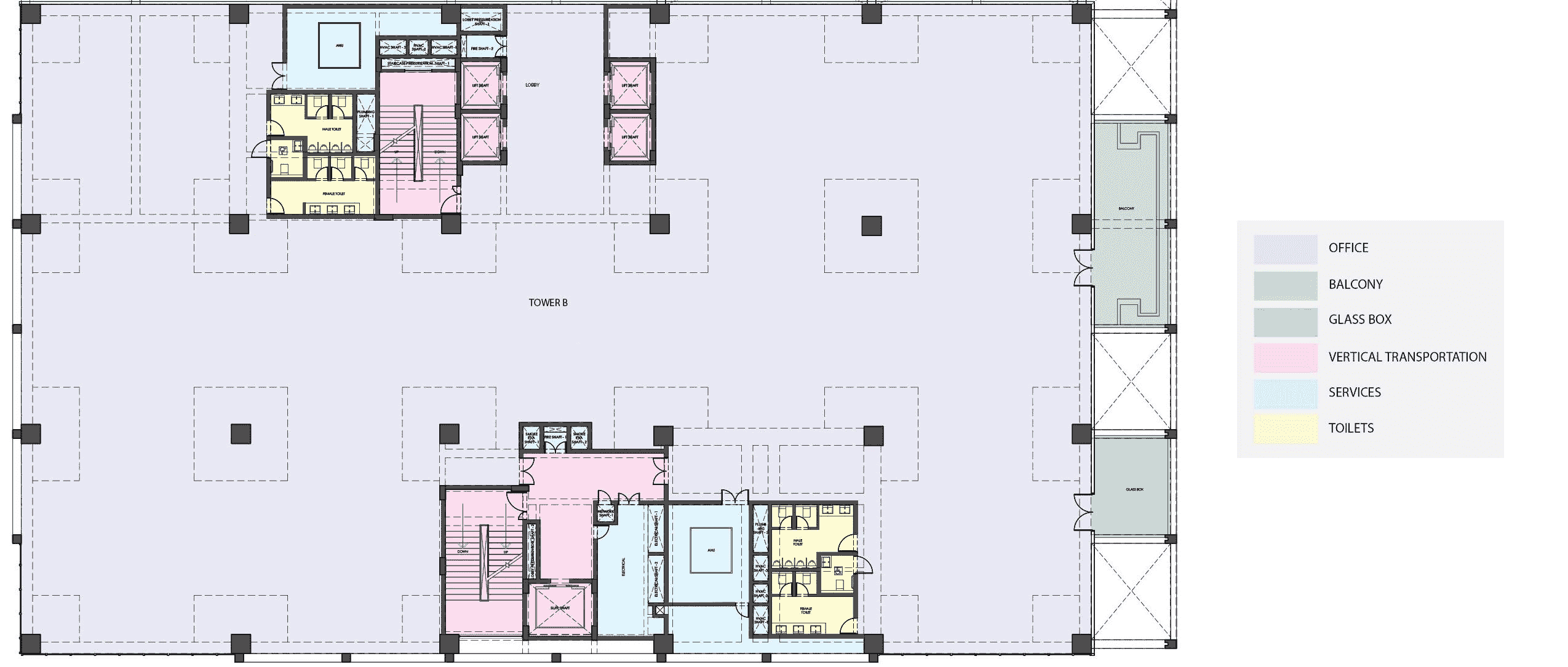
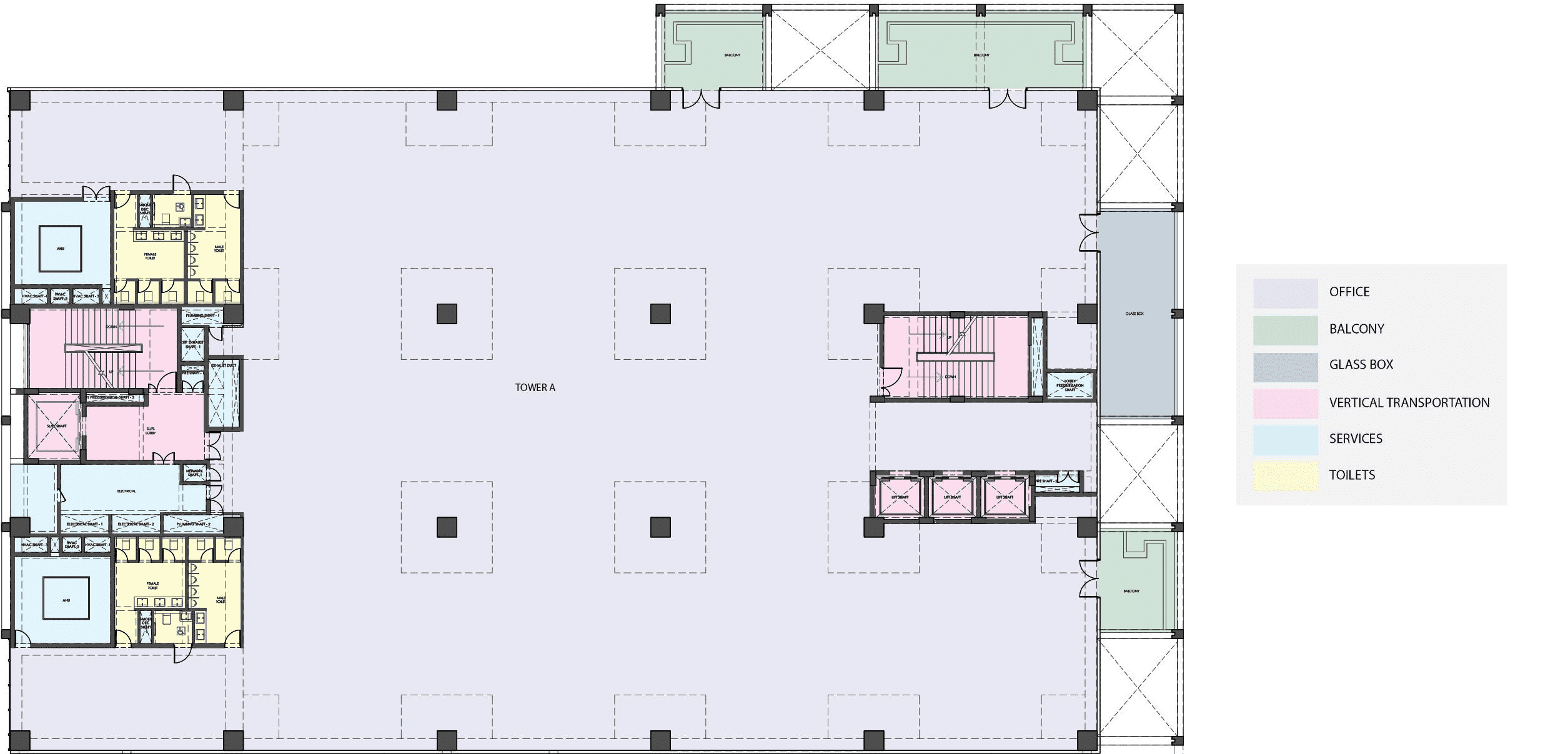
Jayalakshmi Tech Park comes into focus at this juncture. It’s an upcoming Grade-A office property with approximately 4.45 lakh sq. ft of space spread across two LEED-certified towers in Aerospace Park.
There will be:
- Child daycare facility, gymnasium, meeting halls, and a café.
- Private balconies with trees and approximately 350 trees throughout the campus.
- Larger floorplates supporting IT, aerospace industries, R&D labs, and data-intensive businesses.
It promotes sustainable development in two ways:
- First, it eliminates commuting stress because of airport access and new transit routes.
- Second, it offers a facilitating platform for renewable power sources in office buildings and intelligent campus operations.
For the occupiers, these factors count when they’re comparing commercial office space in Bangalore North. They receive tech park office space for rent in Bangalore that satisfies their climate, talent acquisition, and regulatory objectives.
Final Take
The move towards converting traditional office spaces into green building campuses has already started in India. With growing emissions from buildings and the evolution of the energy sector, sustainable development in commercial real estate has become an urgent need.
Carbon-positive commercial real estate is at the cutting edge of this shift. It incorporates deep efficiency, renewable power in office buildings, and optimised operations and maintenance to drive positive outcomes on climate change over the long term.
Developers with experience in tech parks that support green buildings, like the Jayalakshmi Group, can help drive this shift. Today’s occupants invest not only for lower risk but also for stronger ESG performance and more productive workers over the long term.